
Buying Guides8 min read
Long Battery GPS Trackers: Reading a Ten-Year Claim Properly
Every long battery figure in this market is quoted at one position fix a day. Change that setting and a ten-year tracker becomes a ten-week one.
Read →
✦ The MoSaci Field Notes
Friendly, well-researched guides on positioning technology: how GPS works, how tracking actually helps, and how to pick the right tool for the job.
Every long battery figure in this market is quoted at one position fix a day. Change that setting and a ten-year tracker becomes a ten-week one.

Trucking is the one segment where the tracker is also a legal obligation, which changes the shortlist and hands most of the power to the vendor.

Reusable trackers assume the asset comes back. On a one-way freight lane nothing comes back, which changes the economics of the whole decision.

Most tracking vendors want a demo before they mention money. These eight publish the number, which is the only way a business with five vans can plan anything.

A delivery van gives you power, which removes the hardest constraint in tracking and replaces it with a different one: how long the vehicle is off the road while you fit the thing.

They get compared as if one is better. They are not competing. Each answers a question about a different distance, and only one of them works with nobody nearby.
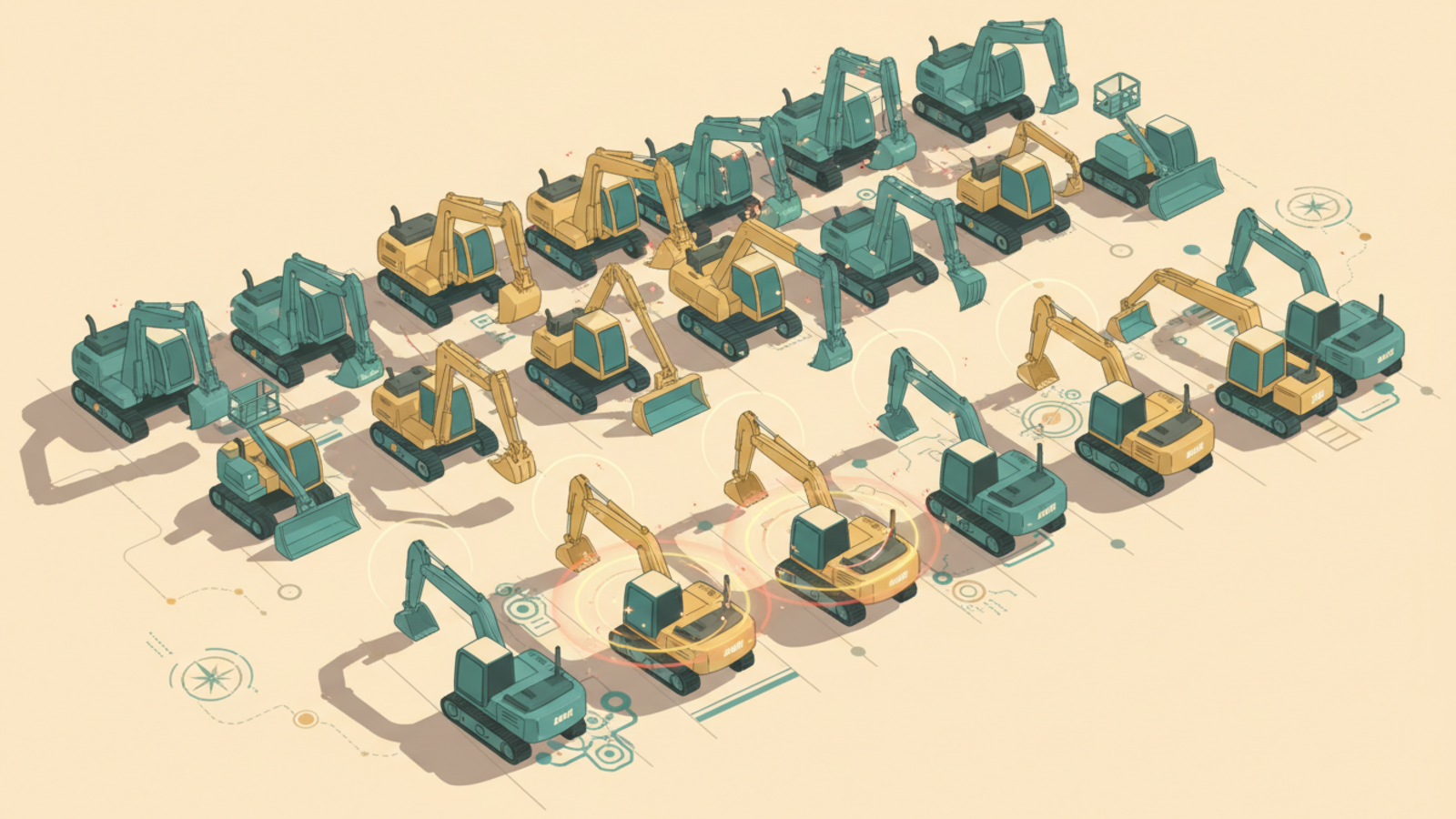
Theft is the reason rental companies buy trackers and utilisation is the reason they keep them. The second one pays for the programme.
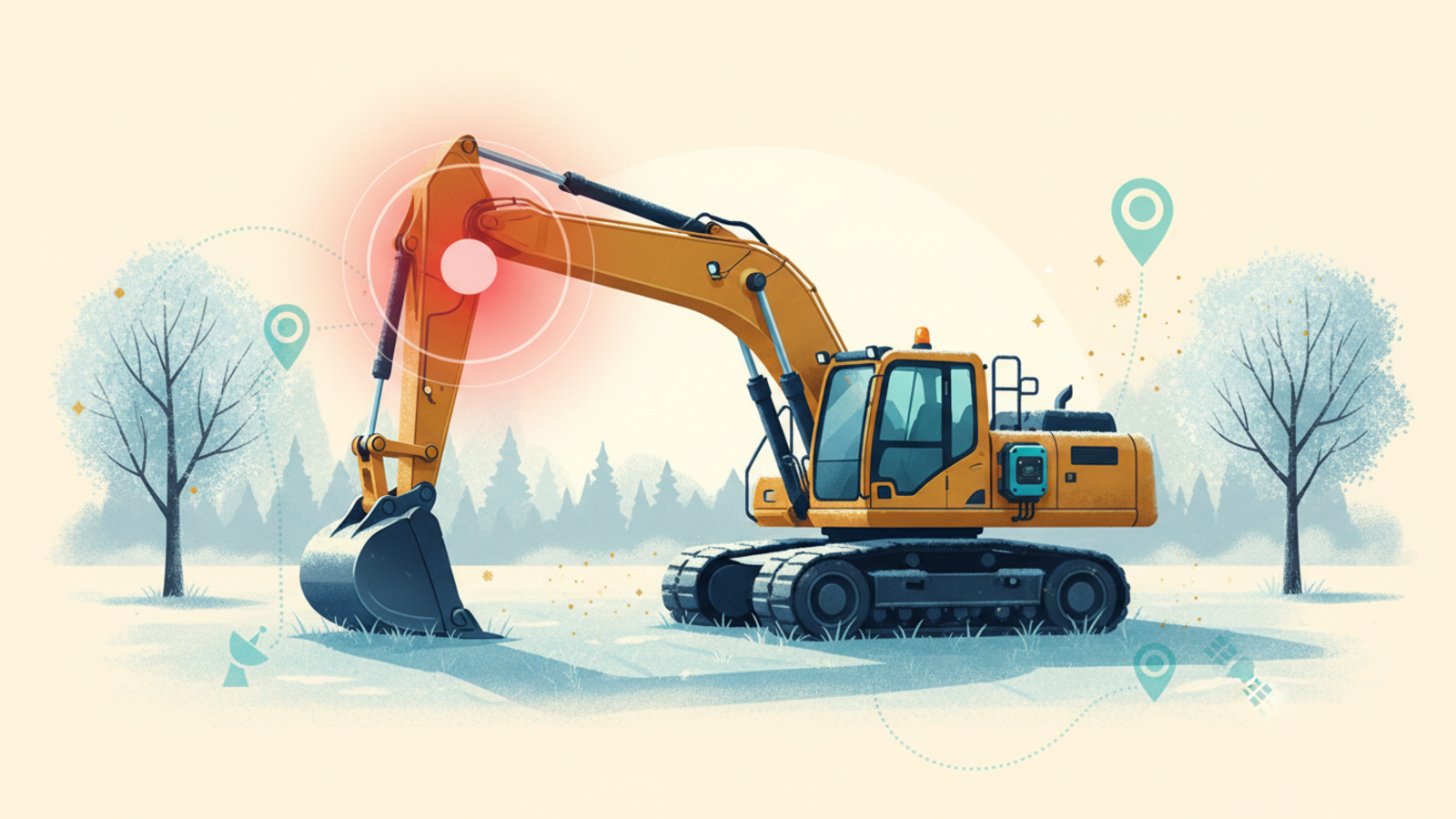
A machine parked on a site for a season is the hardest thing in tracking to keep visible, and the easiest thing to buy the wrong device for.
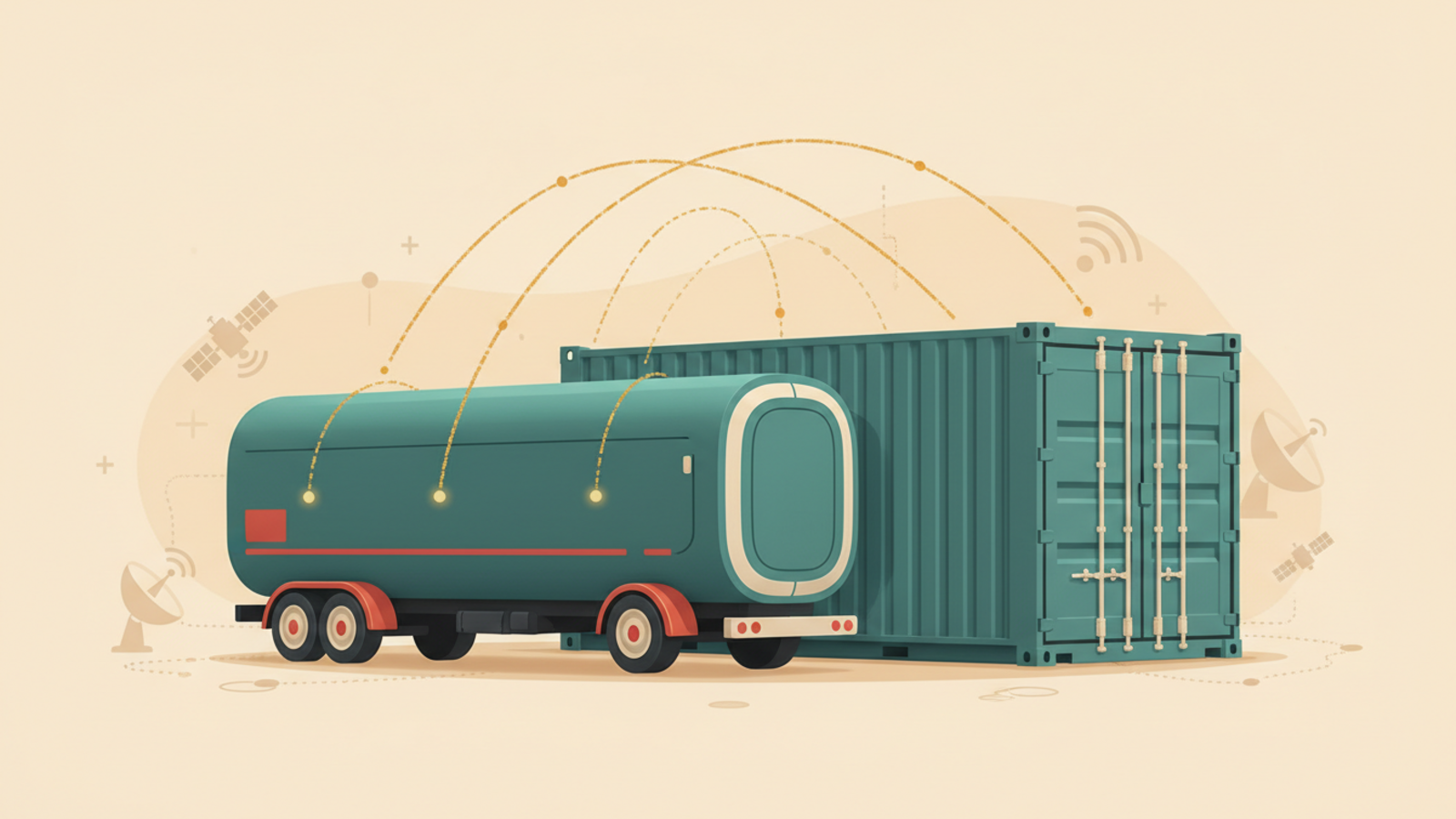
A trailer supplies no power and a container blocks the sky. Those two facts rule out most of the tracker market before you have compared a single feature.

The hardware is a rounding error. Over three years the plan is most of what you pay, and almost nobody explains what actually moves the number.

Search for a tracker without a subscription and you get three different products wearing the same label. Only one costs nothing to run, and it stops working in the exact places you need it.
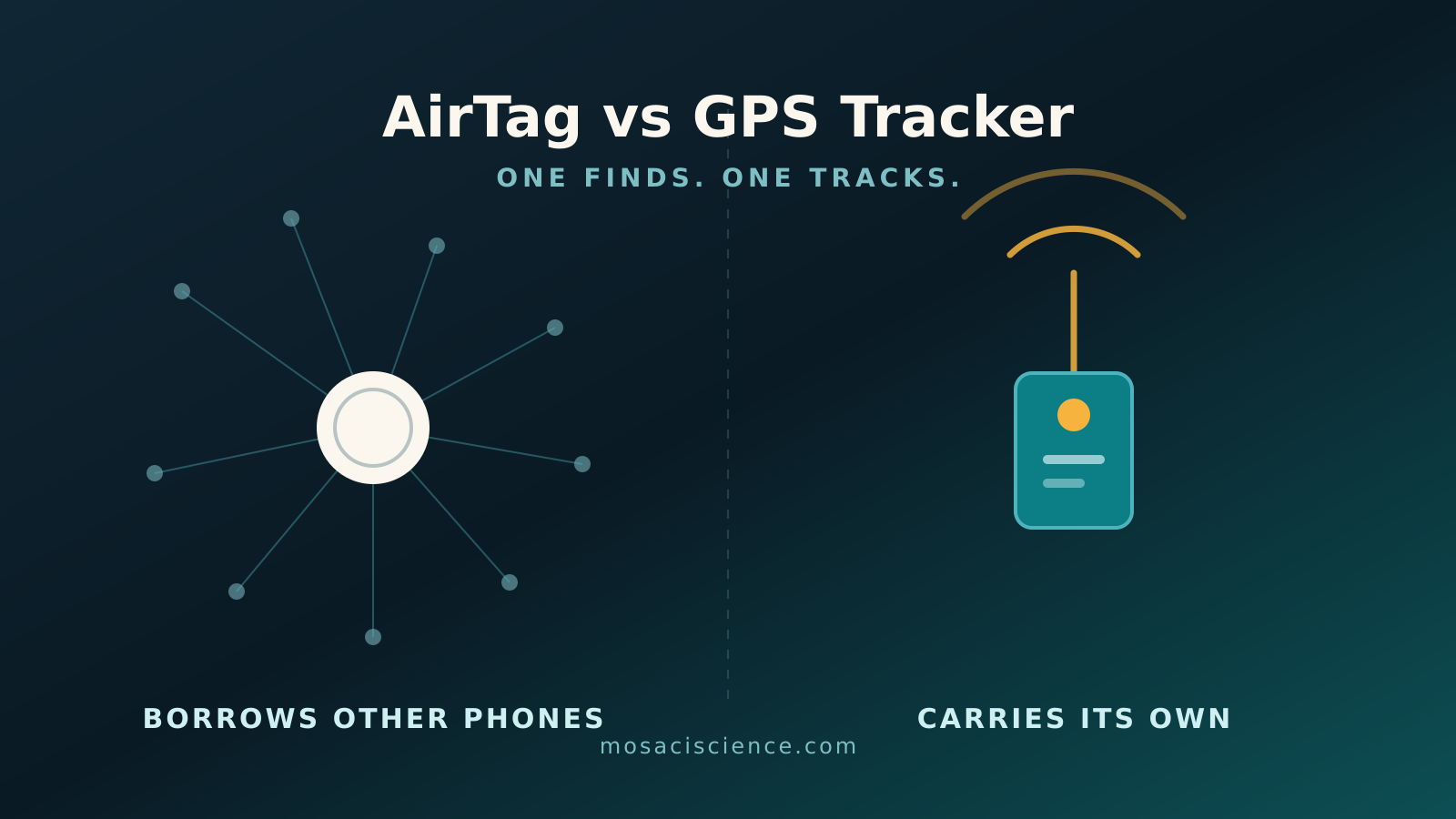
An AirTag is a finder, not a tracker. Here is exactly where that distinction stops being pedantic and starts costing you the thing you were trying to protect.
Most tracking shortlists compare vendors that are not competing for the same job. Here are ten GPS tracking companies sorted by the assets they were actually built for, with real contract terms.
A magnetic tracker is cheap to buy and expensive to run. Here are seven of them compared on update speed, battery life and the three-year cost most reviews leave out.

Every fleet tracking shortlist ends up at the same five or six names. The feature lists barely separate them. What they publish about money separates them completely.
The idea is sound: $99 for four tags against hundreds a month for telematics. Then the tags start announcing themselves to your drivers, and that is only the second biggest problem.

An AirTag is excellent at finding keys and useless in an empty yard. These eight devices carry the radios it does not, and every price here is published.

Vehicle telematics is a solved market. Tracking a generator that sits in a field for four months is a different problem, and most fleet platforms treat it as an add-on.

Both get called trackers and they are not the same product. One reports its own position from anywhere. The other waits for a stranger's phone to walk past.
Most tracker comparisons quote a hardware price and stop. The subscription is where the money goes. Here are nine trackers sold in the US with every published figure in one table.

If you suspect someone is tracking your car, a careful search usually finds the device fast. Here is where hidden GPS trackers hide, how to sweep for them, and what to do next.

Buying a GPS tracker takes two minutes. Using one lawfully takes a little more thought. Here is how ownership, consent and state law decide whether tracking a vehicle is legal.

The blue dot looks certain, but every GPS fix carries an error budget. Here are the real accuracy numbers, what pushes them wider, and how phones and dedicated trackers compare.

GPS and the cell network are two separate systems, and only one of them stops working in the middle of nowhere. Here is what keeps running offline and what quietly does not.

Datasheet battery numbers assume a device that barely moves and rarely reports. Here is what actually drains a GPS tracker, which settings matter most, and how to squeeze months more out of the one you own.
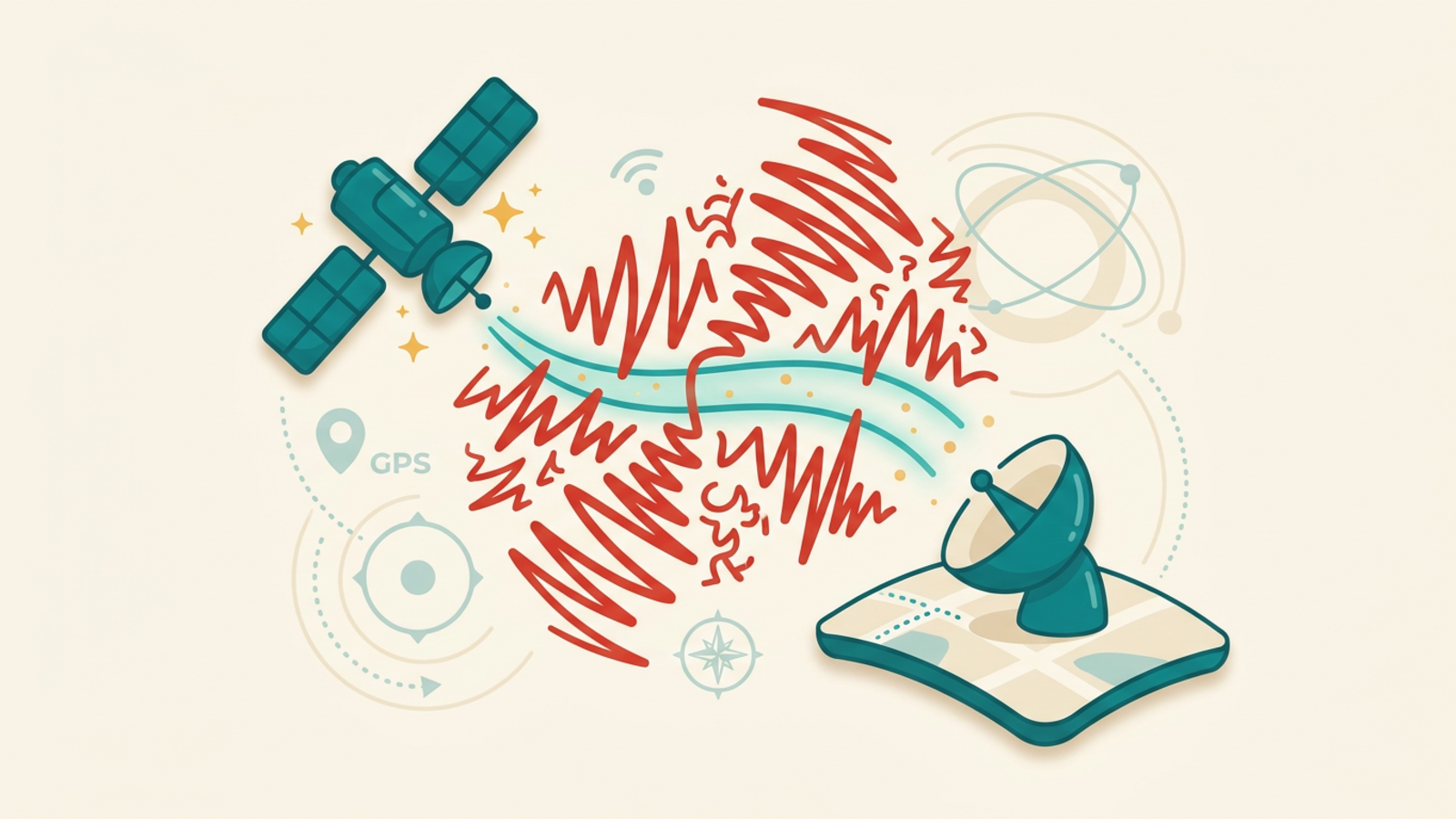
Jamming drowns the satellite signal in noise. Spoofing replaces it with a convincing lie. Here is how each attack works, the warning signs on a live map, and what actually defends a vehicle or a fleet.

One method listens to satellites, the other measures cell towers, and most trackers quietly use both. Here is how GPS and cellular positioning compare on accuracy, indoor coverage, battery and cost.

Tiny trackers look irresistible until the battery dies on day two. Here is how small a real GPS tracker gets, what shrinking costs you, and how mini and micro models compare.

A bike can be lifted into a van in under a minute, so the only thing that reliably brings it back is knowing where it went. Here is how motorcycle GPS tracking works in practice.

A boat spends most of its life unattended, which is exactly when it goes missing. Here is what waterproof rating, offshore coverage and power setup a marine GPS tracker actually needs.

A dog that bolts is gone in seconds. Here is how GPS pet trackers really perform on accuracy, collar fit, battery life and monthly cost, and which pets are light enough to wear one.

Cold freight carries its value in a narrow band of degrees. Here is how cold chain GPS tracking pairs temperature data with location, what thresholds to set, and how the record settles claims.

A loaded container is the most valuable box in the yard and the easiest to lose track of. Here is how GPS container tracking survives steel walls, ocean gaps and long battery cycles.
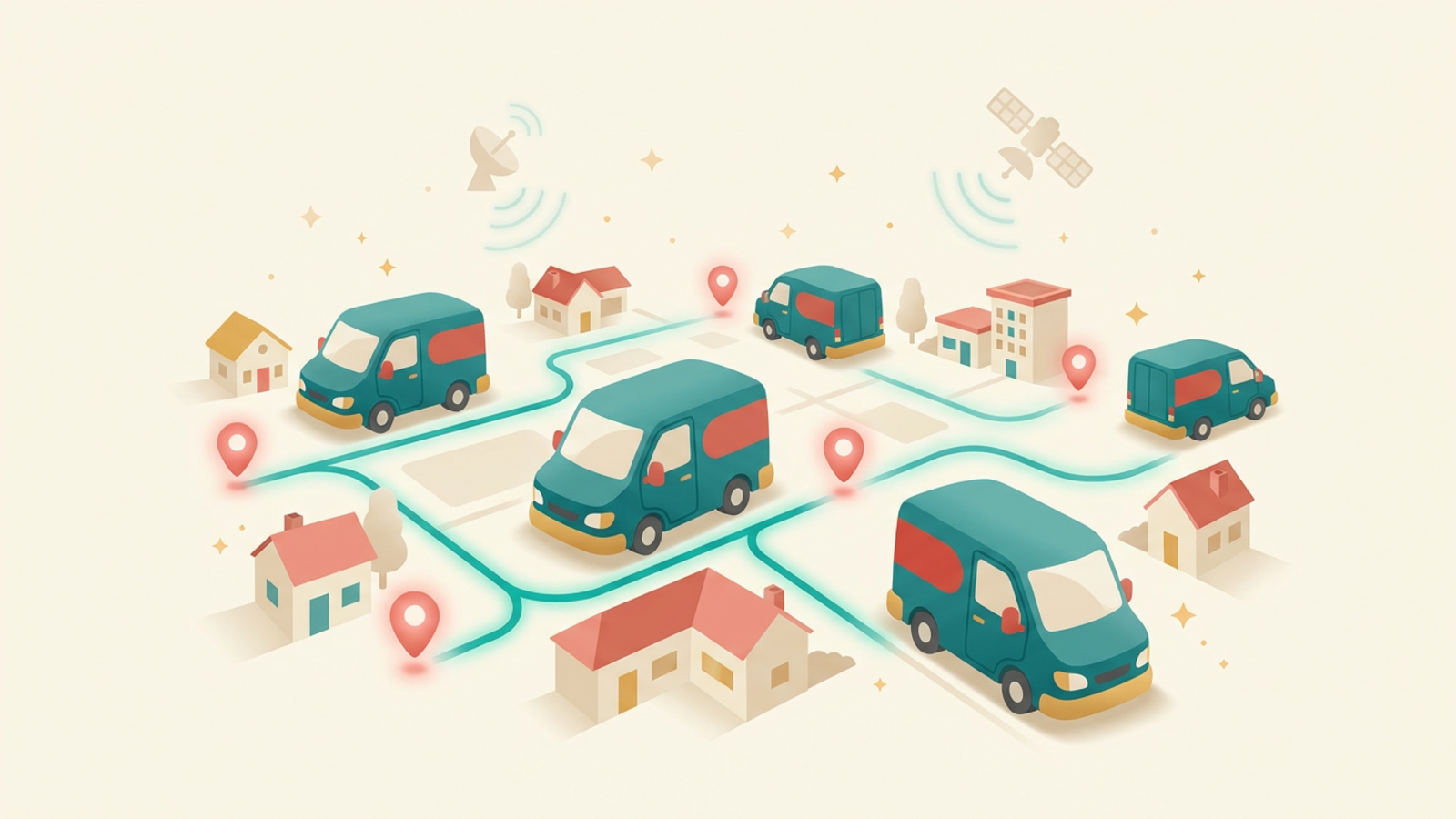
The last mile is where delivery margin is won or lost. Here is how GPS tracking tightens ETAs, exposes dwell time, cuts fuel waste and protects the load on the way to the door.

GPS is getting a major upgrade. New satellites, fresher signals and multi-constellation receivers are pushing accuracy and reliability further than most people realise.

Four tracker types, four different jobs. Here is how hardwired, OBD plug-in, battery-powered and asset GPS trackers compare, and which one fits your vehicle, fleet or equipment.
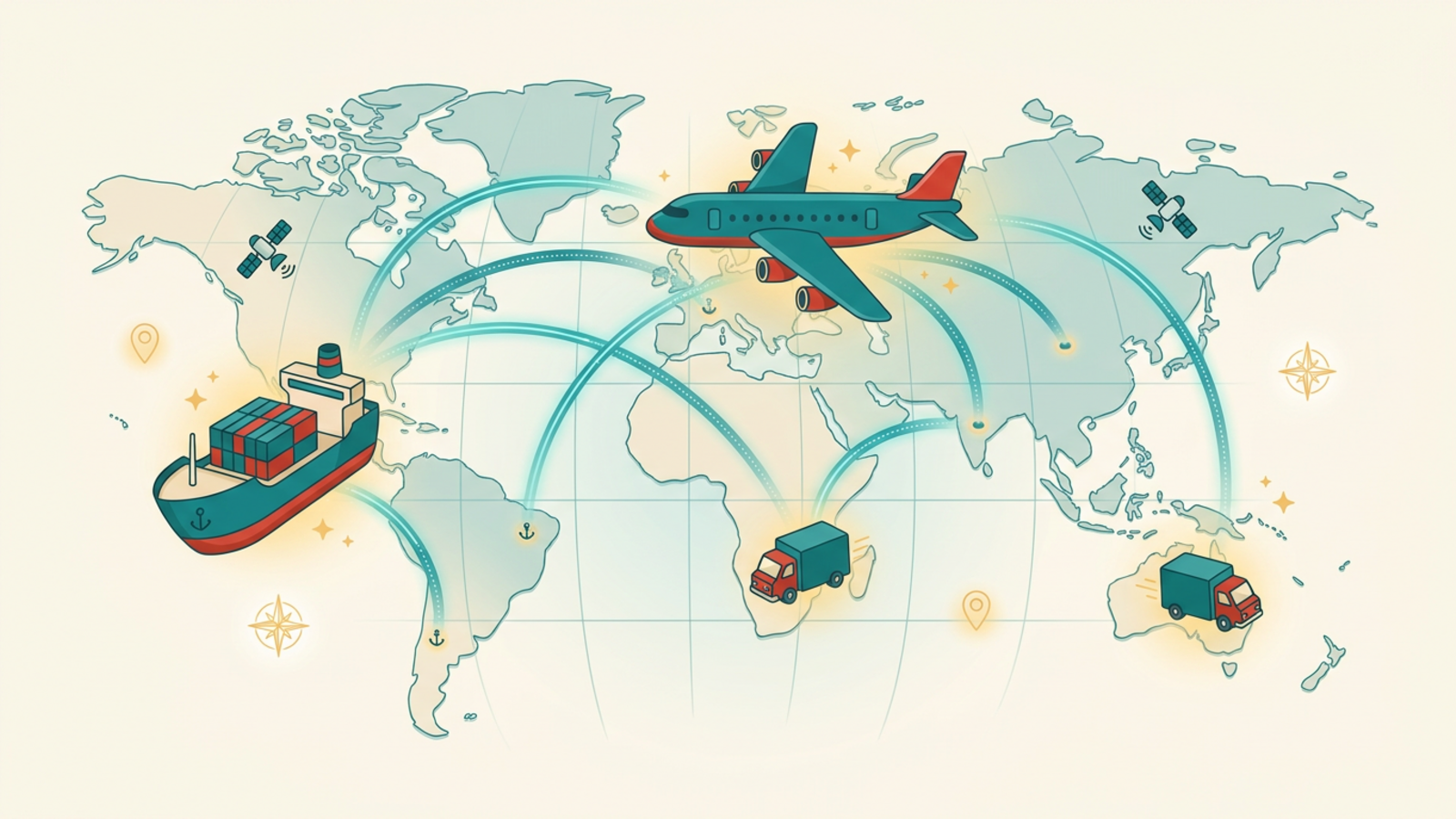
From the warehouse dock to the last-mile drop, GPS tracking closes the visibility gap that causes late deliveries, lost cargo and costly guesswork. Here is how it works.

Battery life, size, update frequency, coverage and cost all pull in different directions. Here is how to weigh each factor and choose the GPS tracker that actually fits your situation.

What started as a Cold War military program is now the invisible backbone of navigation, logistics, and everyday life. Here is how GPS got from a 1973 Pentagon project to the satellite network billions of people rely on today.

Real-time alerts or stored logs: the choice between active and passive GPS tracking shapes your cost, battery life and response speed. Here is how to match the right mode to your actual job.

GPS has moved from tractors to every corner of the farm. Here is how satellite positioning powers precision farming, protects equipment, and helps growers do more with less land and fewer inputs.

Construction sites are magnets for theft and expensive downtime. GPS tracking gives project managers real-time visibility over every machine and crew member, cutting losses before they compound.

Most people call it triangulation, but GPS actually uses trilateration. Here is why that distinction matters, how satellite distances pin down your exact position, and what the math looks like without the math.
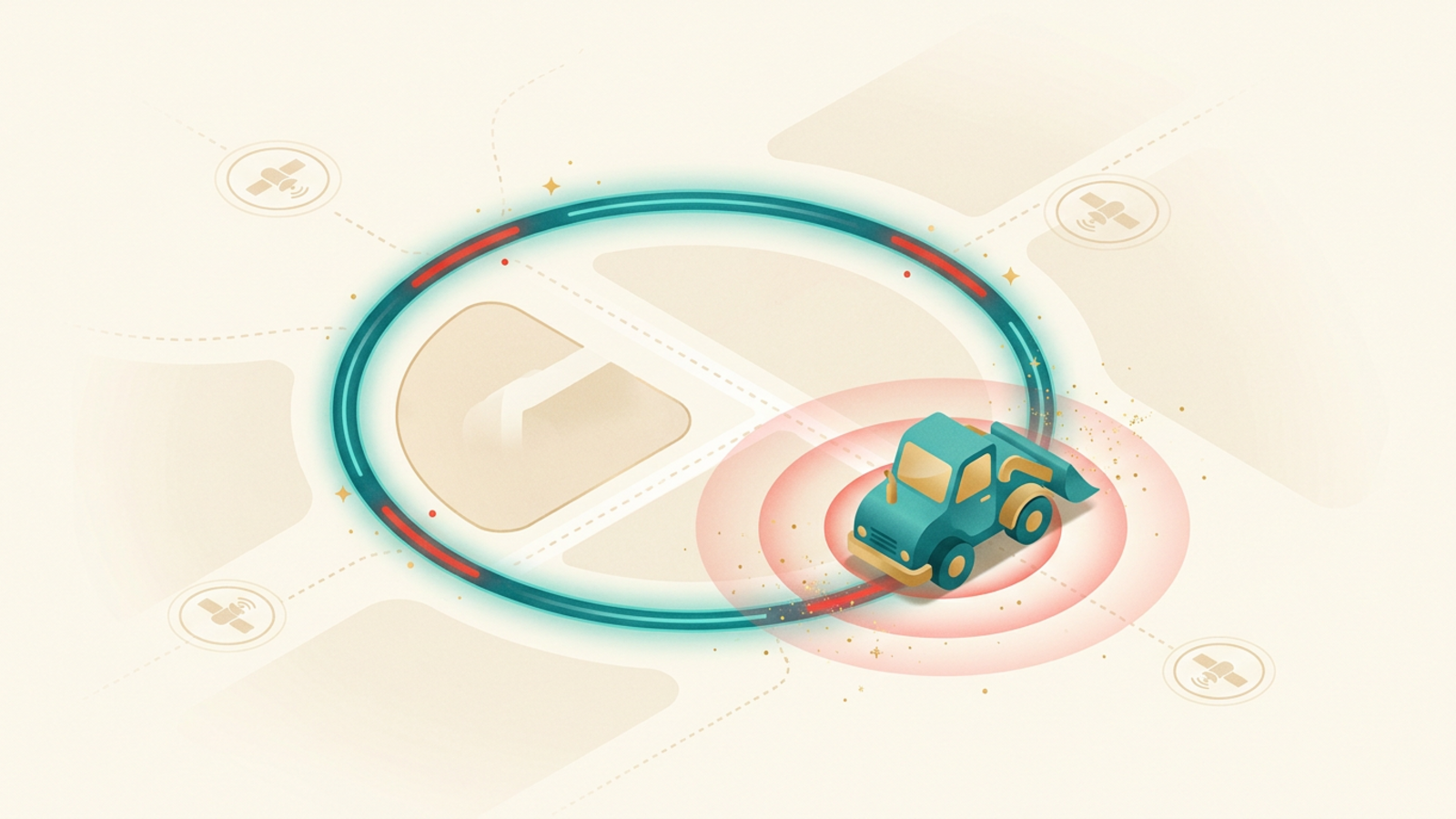
A geofence is a virtual boundary on a real map. Cross it and something happens automatically. Here is how GPS geofencing works, why it triggers alerts, and where businesses use it to protect assets and people.

Three letters, three very different jobs. Here is how GPS, BLE and RFID compare on range, cost, power and accuracy, and how to match each one to the asset you need to find.
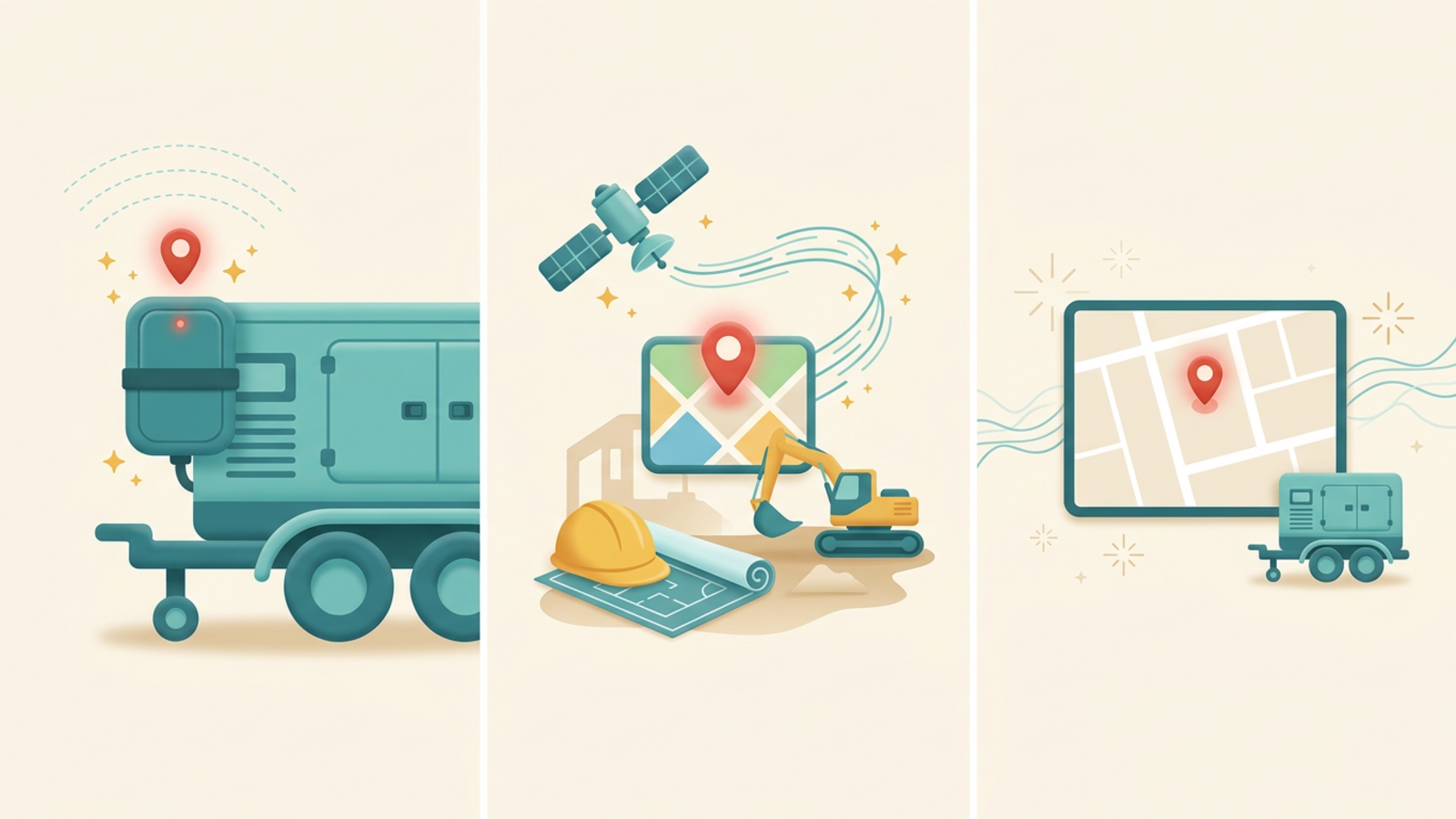
Equipment walks off job sites, hides in the wrong yard, and sits idle for days nobody notices. GPS asset tracking ends that. Here is how it works and how to get it running.
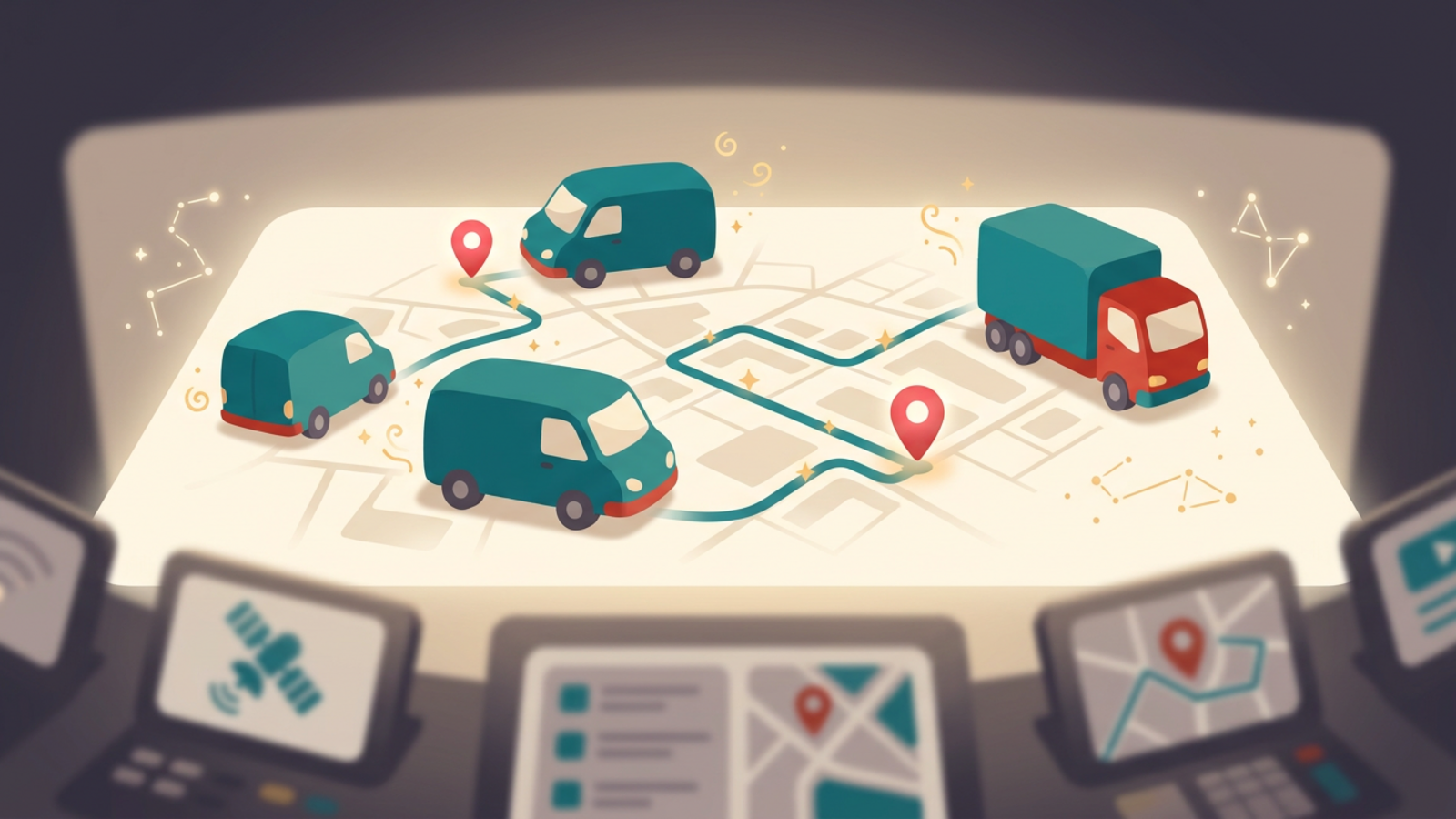
GPS fleet tracking tells you where every vehicle is, how it’s driven, and when it needs maintenance. Here is what it does, what it costs, and how to roll it out without the headaches.